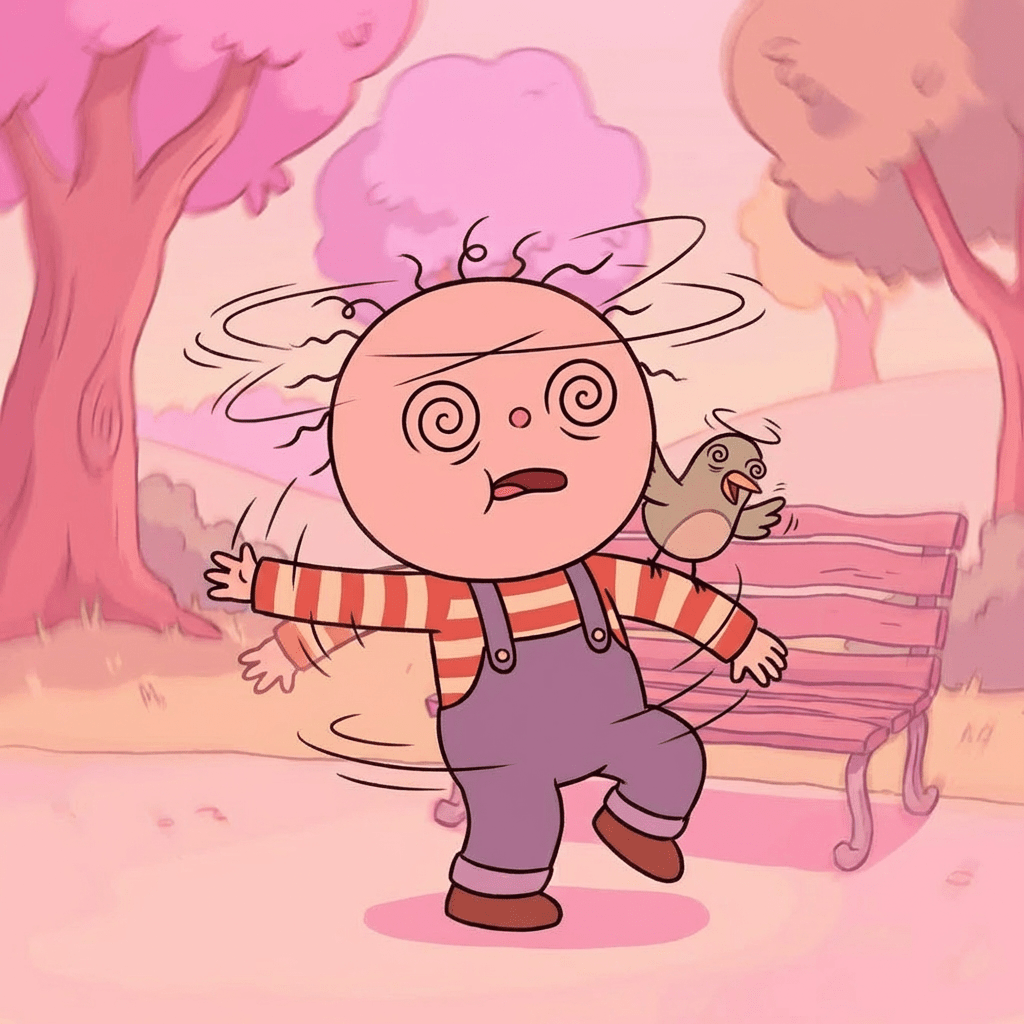
There’s a moment many of us know well. The room tilts, your vision softens at the edges, and for a breath or two, your body feels unsteady. Dizziness can be unsettling, especially when it arrives without warning. But most of the time, it’s your body sending a simple message: SLOW DOWN, SOMETHING NEEDS ATTENTION.
Today, let’s walk through that message together, calmly, clearly, and without fear.
How Your Body Works to Find It’s Balance Again
Your body is always trying to bring you back to a steady state, a process called homeostasis. It’s your build-in balancing act, the quiet work happening behind the scenes to keep everything stable, even when the world feels like it’s tilting.
When you stand up too quickly, get overheated, skip a meal, or feel stressed, your body senses the shift. And just like a surfer adjusting to a wave, it makes tiny correlations:
- Your blood vessels tighten to push blood upward
- Your heart beats a little faster to keep oxygen flowing
- Your breathing changes to bring in more air
- Your inner ear recalibrates your sense of balance
- Your nervous system sends signals to steady you
Most of the time, these adjustments happen so smoothly you never notice them. But when the change is sudden, like standing up fast or getting dehydrated, you feel that brief wobble before your body catches the wave again.
"You can't always stop the waves, but you can always learn to surf. And your body? Well, it's the perfect surfboard." - C
What Dizziness Actually Feels Like
Dizziness isn’t one single feeling, it’s a collection of sensations your body uses to say, “Something Shifted.”
It might feel like:
- Lightheadedness
- A floating or swaying sensation
- A brief “head rush”
- Unsteadiness
- A moment where the world feels slightly off-center
These sensations can be surprising, but they’re often just your body recalibrating itself.
Everyday Reasons You Might Feel Dizzy
Most dizziness comes from simple, everyday causes:
- Standing up too quickly
- Not drinking enough water
- Skipping meals
- Fatigue or stress
- Mild illness
- Being overheated
- Medications that lower blood pressure or cause drowsiness
Your body is sensitive, and that’s a good thing. It means it’s paying attention.
How Blood Pressure Plays a Role
When your stand, your blood has to move upward, against gravity, to reach your brain. If your blood pressure is a little low, or your body reacts a little slowly, you may feel:
- That head rush feeling
- A wave of lightheadedness
- A moment of unsteadiness
This is called orthostatic hypotension, and it’s incredibly common. It’s also one of the most normal ways your body communicates.
What To Do in the Moment?
Think of dizziness as your body whispering, “pause with me”.
When it happens:
- Sit down or steady yourself
- Take a slow breath
- Drink some water
- Eat a small snack if you haven’t eaten in a while
- Move more slowly when standing
Most episodes fade within seconds once your body catches up.
When Dizziness Deserves a Clearer Look
Most dizziness is harmless. But it’s important to check in with a healthcare provider if your notice:
- Frequent dizziness
- Fainting or nearly fainting
- Chest discomfort
- Irregular heartbeat
- Trouble walking
- New confusion
- Severe headache
- Vision changes
These symptoms don’t automatically mean something is wrong, they simply mean your body is asking for a closer look.
In Closing
Dizziness can feel unsettling, but it’s often just your body adjusting, recalibrating, or asking for a moment of care. When you understand what’s happening, the fear softens. You can meet the moment with steadiness, curiosity, and calm.
Your body is always speaking to you. This is just one of the ways it asks you to slow down and listen.
 The Patient's Notebook
Leave a comment